Crimson Desert: How a Divisive Launch Became a Success Story
The interesting story is not a revenue headline. It is what happened after players pushed back.
Some games win people over immediately. Others make you wrestle with them before their appeal becomes clear. Crimson Desert’s early online discussion reads like the second kind: excitement about the world, frustration with the controls, and plenty of disagreement over whether learning its habits was part of the reward or part of the problem.
A success we can actually document
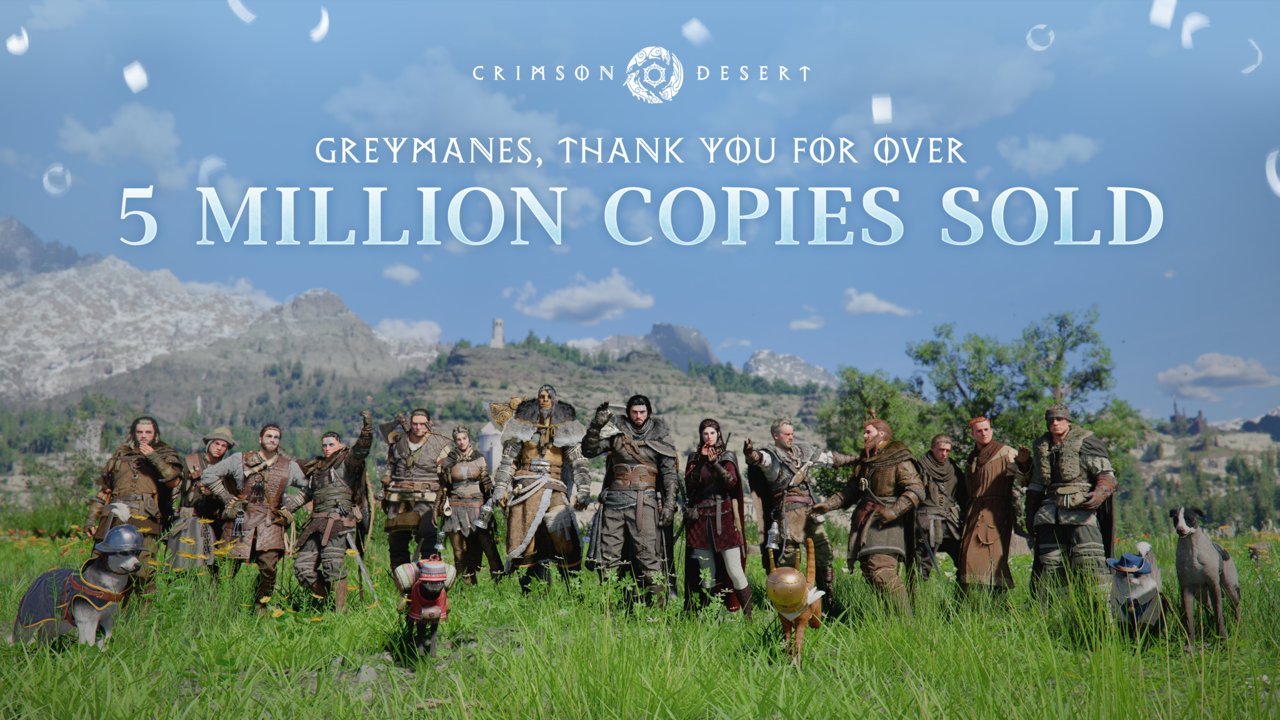
Pearl Abyss announced that Crimson Desert had passed five million copies sold worldwide in April 2026. That is a dated milestone, not a claim about today’s total. It is also stronger evidence than repeating an unattributed dollar figure: copies sold and revenue are different measurements. [1]
The controls were not a small complaint
In launch-period Reddit discussions, players describe struggling with button combinations and the way actions change between exploration and combat. Other players defend the unfamiliar layout and argue that the world becomes rewarding once those controls click. Neither group cancels out the other. A system can be learnable and still introduce unnecessary friction. These posts describe those players’ experiences at the time, not a fresh test of the current build. [2][3]
Why the response changed
PC Gamer reported improving Steam sentiment as Pearl Abyss addressed problems after launch. Its coverage points to changes involving storage and balance, alongside continuing criticism of unclear guidance. The useful takeaway is that launch reviews provide a snapshot. For a heavily updated game, the version somebody struggled with months ago may not be identical to the one you install now. [4]
Our take
Crimson Desert’s appeal seems strongest for people who enjoy wandering, experimenting and allowing a game to be a little strange. The caution is just as clear: ambition does not make cumbersome interactions enjoyable by itself. We would describe it as a game that earned a substantial audience while still provoking worthwhile arguments, rather than a flawless surprise nobody saw coming.
How much awkwardness will you forgive when an open world keeps making you curious?